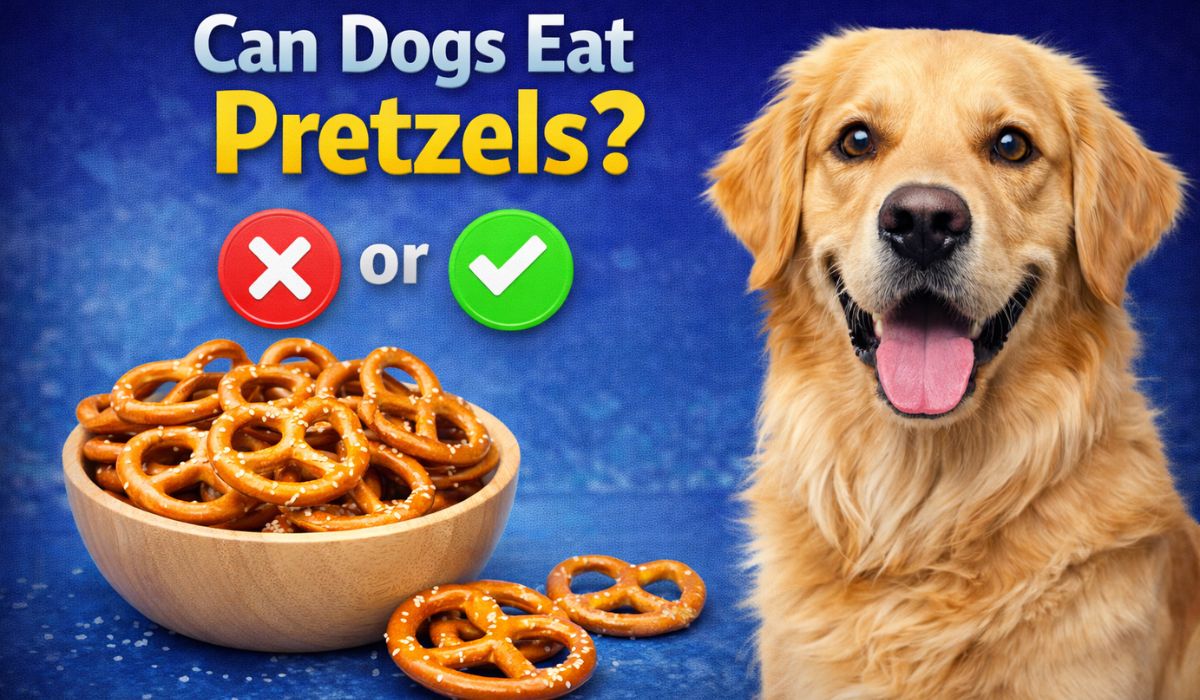

Many dog owners often ask whether everyday human snacks are safe for pets. One common question is can dogs eat pretzels, especially when dogs show interest in crunchy foods.
Pretzels may look simple and harmless, but dogs process food differently from humans. What seems like a light snack for you may not suit your pet’s digestive system. Because of this, pet parents often look for clear and simple answers about whether pretzels are safe or not.
Understanding what goes into these snacks and how they affect dogs can help you make better feeding decisions for your pet.
What Are Pretzels Made Of?
Pretzels are usually made using flour, water, yeast, and salt. These ingredients are common in many baked foods, but they are not designed with dogs in mind.
The main concern is that pretzels are highly processed. Refined flour breaks down quickly in the body and does not provide meaningful nutrition for dogs. Modern pretzels often come in different flavors like cheese, butter, honey mustard, or chocolate coating. Some even contain garlic or onion seasoning. These added ingredients are more problematic than the base recipe. Garlic and onion, in particular, are known to be unsafe for dogs and may affect their blood health over time.
Can Dogs Eat Pretzels Safely?
No, they can’t. A small bite of a plain pretzel is not likely to cause immediate harm to a healthy dog, but it is still not a safe or smart snack choice.
Dogs have different nutritional needs than humans. Their bodies are not designed to handle processed baked foods, especially ones that contain salt and refined flour. Even if given only once in a while, pretzels can add unnecessary sodium and may upset a dog’s stomach.
Pretzels do not offer any health benefits for dogs. Instead of treating them as a casual snack option, it is better to avoid them and choose safer alternatives made specifically for dogs.
Why Salt in Pretzels Can Be a Problem for Dogs
Pretzels may look harmless, but the salt on them is where the real concern begins. Dogs don’t process sodium the same way humans do. While people can handle a fair amount of salt in their diet, dogs are much more sensitive to it. Even a small salty snack can disturb their normal body balance and make them uncomfortable.
If a dog eats salty foods like pretzels, you may start noticing changes in their behavior and health, such as:
- Drinking water more often than usual
- Urinating more frequently
- Vomiting or feeling unsettled
- Loose motion
- Lack of energy or unusual restlessness
In more serious cases, too much salt can lead to salt poisoning. This is not something to ignore, as it can affect the brain and nervous system and may need quick medical help. Because of these risks, salty snacks are best kept away from dogs, even if they seem to enjoy the taste.
What Happens If a Dog Eats Pretzels?
If a dog accidentally eats a small piece of pretzel, you may not notice any change at all. Many dogs simply digest it without showing immediate symptoms. But the situation can be different when the amount is larger or if the dog is sensitive to salt.
In such cases, you may see signs like increased thirst, mild stomach discomfort, or restlessness. Some dogs may also vomit or have loose stools as their body tries to adjust.
Most of these reactions are temporary, but they should still be taken seriously. If your dog seems uncomfortable or has eaten a large quantity, it is always safer to consult a vet rather than wait.
Harmful Ingredients in Pretzels
Pretzels may look simple, but some of their ingredients can create real health concerns for dogs. Understanding what goes inside these snacks helps you see why they are not a good choice for pets.
Salt and Seasonings
The biggest concern in pretzels is salt. Dogs are not built to handle high sodium levels. Even a moderate amount can disturb their internal balance and make them feel uneasy or dehydrated.
Flavored or seasoned pretzels can be even more problematic because they often contain extra spices that do not suit a dog’s digestive system.
Garlic and Onion Flavors
Some pretzels include garlic or onion powder for taste. These ingredients are unsafe for dogs and may slowly affect their health if consumed more than once.
They can damage red blood cells and may lead to weakness, tiredness, or loss of appetite over time. Even small exposure is not considered safe.
Chocolate or Sweet Coatings
Chocolate-coated pretzels are the most dangerous type. Chocolate contains compounds that are toxic to dogs and can affect the heart and nervous system. Even a small amount can cause serious reactions, so these types of snacks should always be kept away from pets.
Safer Alternatives for Dogs
Instead of giving human snacks like pretzels, it is always better to choose foods that are simple, fresh, and naturally safe for dogs. These options not only reduce health risks but also support better digestion and overall well-being.
Fresh fruits and vegetables can work well as light treats. Carrot sticks are crunchy and enjoyable for most dogs. Apple slices (without seeds) offer a mild sweetness without harmful additives. Boiled pumpkin is gentle on the stomach, while cucumber pieces are refreshing and low in calories.
If you prefer something more convenient, dog-specific treats are a better choice. These are made with canine nutrition in mind and usually avoid excess salt, sugar, and artificial flavoring. Giving them in moderation helps keep your dog happy without compromising health.
Warning Signs After Eating Pretzels
If your dog accidentally eats pretzels, it is important to keep a close eye on their behavior for the next few hours. Most dogs may be fine after a small amount, but reactions can vary depending on size, breed, and quantity consumed.
Some dogs may show mild signs like increased thirst or slight stomach discomfort. Others may appear less active than usual or experience vomiting and diarrhea as their body reacts to the salt and processed ingredients.
In rare but serious situations, symptoms such as shaking, confusion, or difficulty walking can occur, especially if a large quantity was eaten. These signs suggest that the body is struggling to handle excess sodium and should never be ignored. Quick veterinary help is the safest step in such cases.
Prevention Tips for Pet Owners
Keeping your dog safe often depends on small but consistent habits in daily life. Since dogs are naturally curious, they may try to grab food if it is left within reach. Simple prevention steps can reduce the risk of accidental eating.
- Store all snacks and packaged foods in closed cabinets or airtight containers
- Do not leave plates, leftovers, or food items unattended on tables or counters
- Keep trash bins covered, as dogs may try to search for food scraps
- Teach basic training commands like “leave it” or “no” to stop unsafe eating habits
- Use reward-based training to encourage good behavior over time
- Make sure every family member follows the same feeding rules
- Avoid giving human snacks to your dog, even in small amounts
- Supervise your dog during meal times or when food is around
- Keep visitors informed not to share food with your pet
Wrapping Up
So, if you want to know can dogs eat pretzels, the clear takeaway is that they are not a good choice for dogs. While an accidental small bite is unlikely to cause serious harm in most cases, pretzels are still not suitable as a treat or part of a regular diet.
Dogs have very different dietary needs than humans. Foods like pretzels contain salt, refined flour, and processed ingredients that offer no real benefit to your pet. Even in small amounts, they can sometimes lead to mild stomach upset or unnecessary stress on the body.
A better approach is to stick with foods that are made for dogs or naturally safe options like fresh fruits and vegetables in moderation. These choices are easier to digest and support your dog’s overall health without unwanted risks.
Frequently Asked Questions (FAQs)
1. Can dogs eat pretzels?
Dogs should not eat pretzels as a regular snack. A small accidental bite is usually not harmful, but pretzels contain salt and processed ingredients that are not suitable for dogs.
2. What happens if a dog eats pretzels?
If a dog eats a small amount, it may show no symptoms or only mild signs like thirst or slight stomach upset. Larger amounts can lead to vomiting, diarrhea, or restlessness.
3. Are pretzels good for dogs?
No, pretzels are not good for dogs. They do not provide any nutritional benefit and contain ingredients like salt and refined flour that may affect a dog’s health over time.
4. Can flavored pretzels be dangerous for dogs?
Yes, flavored pretzels can be more harmful. Ingredients like garlic, onion, chocolate, or heavy seasonings can be unsafe and may cause serious health issues in dogs.
5. What are better snack options for dogs instead of pretzels?
Healthier options include carrot sticks, apple slices (without seeds), cucumber pieces, boiled pumpkin, and vet-approved dog treats made specifically for canine nutrition.