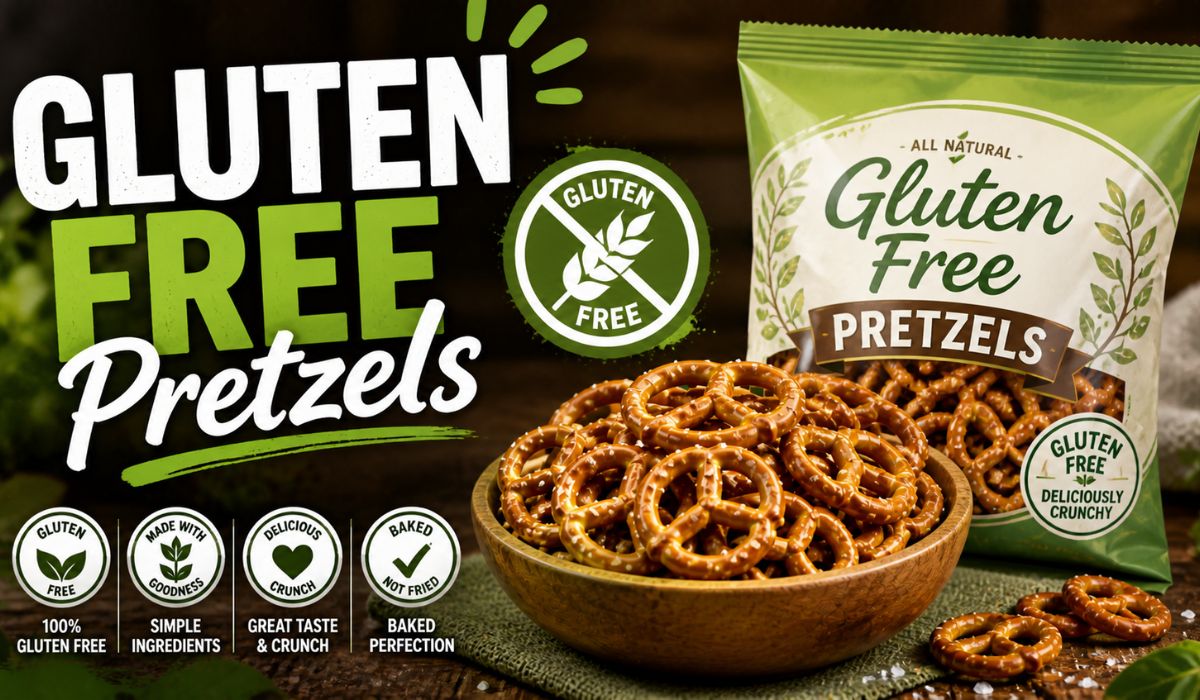

Gluten free pretzels have become a widely preferred snack for people who want a wheat-free alternative without losing the familiar salty crunch of traditional pretzels. Whether someone follows a gluten-free diet due to medical conditions like celiac disease, gluten sensitivity, or personal food choices, these pretzels offer a practical and enjoyable option.
Unlike standard pretzels made with wheat flour, gluten-free versions rely on carefully selected flour blends that do not contain gluten. This allows people with dietary restrictions to enjoy a snack that feels familiar while staying within safe eating limits.
What Are Gluten Free Pretzels?
These pretzels are baked snacks made without wheat, barley, or rye. Instead of traditional flour, they use alternatives like rice flour, corn flour, almond flour, or tapioca starch.
The absence of gluten changes how the dough behaves, since gluten is responsible for elasticity and chewiness in regular baked goods. To compensate for this, gluten-free pretzels use binding ingredients that help maintain structure during baking.
Even though the texture may not be identical to wheat-based pretzels, modern recipes have improved significantly. Many gluten free pretzels now offer a balanced texture—slightly crisp on the outside and soft or crunchy inside depending on preparation. For people who must avoid gluten completely, these snacks are a dependable option.
Why Gluten Free Pretzels Are Becoming Popular?
The demand for gluten-free snacks has grown steadily as awareness about digestive health increases. Many people now actively choose gluten free snack options not just for medical reasons but also for lifestyle preferences.
Another reason is improvement in taste and texture. Earlier versions of gluten-free baked goods were often dry or crumbly. Today, better flour blends and improved baking techniques have made them much closer to traditional snacks.
They are also convenient. These pretzels work well as quick office snacks, travel food, or light evening bites, making them a practical choice in daily routines.
Are Regular Pretzels Gluten Free?
No, most regular pretzels are made using wheat flour, which contains gluten. This makes them unsuitable for people who need to avoid gluten completely.
Only products labeled as “gluten free” should be considered safe. This label ensures the product has been tested and meets safety standards for gluten content, reducing the risk of cross-contamination during manufacturing.
Ingredients Used in Gluten Free Pretzels
The foundation of gluten-free pretzels lies in the flour blend and supporting ingredients. Since gluten is not available to bind the dough, alternative components are used to recreate similar structure and texture.
- Gluten free flour blend (rice flour, corn flour, or pre-mixed baking flour)
- Tapioca starch (adds stretch and softness to dough)
- Almond flour (adds mild nutty flavor and richness)
- Xanthan gum or psyllium husk (helps bind dough and prevent crumbling)
- Yeast (creates rise and soft texture inside)
- Sugar (helps activate yeast and balances flavor)
- Salt (enhances overall taste)
- Olive oil or butter (improves softness and moisture)
- Eggs (optional but improves structure and softness)
Each ingredient plays a specific role. Without the right balance, the dough may become too dry, too sticky, or break easily during shaping.
Health Benefits of Gluten-Free Pretzels
The primary benefit of gluten-free pretzels is safety for people who cannot consume gluten. For individuals with celiac disease, even small amounts of gluten can damage the digestive system and lead to serious health issues.
For those with gluten sensitivity, avoiding gluten may help reduce bloating, stomach discomfort, and fatigue after meals. This is why gluten free snacks are often preferred in such diets.
These pretzels also serve as a convenient alternative snack when wheat-based options are not suitable. They allow people to enjoy familiar snack formats without compromising dietary restrictions.
However, it is important to understand that gluten free does not automatically mean healthier. Some packaged versions may still contain refined starches, added salt, or preservatives, so reading labels remains essential.
Types of Gluten Free Pretzels
Gluten free pretzels are available in different forms to match different taste preferences and snacking styles.
Hard Pretzels
These are dry, crunchy, and shelf-stable snacks commonly found in packaged form. They are ideal for quick snacking and often come in bite-sized pieces.
Soft Pretzels
Soft pretzels are freshly baked and have a warm, chewy texture. They are commonly served in bakeries or snack shops and are closer in feel to traditional pretzels.
Flavored Pretzels
Flavored versions include cheese-coated, cinnamon sugar, chocolate-dipped, or spicy varieties. These options are designed for people who prefer more variety beyond plain salted pretzels.
Each type offers a different experience, making gluten free snacking more flexible and enjoyable.
Store-Bought Options and What to Check
Many snack brands now offer gluten-free versions of pretzels. Popular names include Glutino, Schär, Snyder’s gluten-free line, and Quinn Snacks.
When buying packaged options, it is important to check:
- Certified gluten-free label
- Ingredient transparency
- Cross-contact safety measures
- Sodium and additive levels
These factors help ensure both safety and quality.
Nutritional Value of Gluten Free Pretzels
The nutritional profile of gluten free pretzels depends heavily on the ingredients used. Most versions are carbohydrate-based and provide quick energy.
On average, they contain:
- Moderate carbohydrates
- Low to moderate fat
- Small amounts of protein
Calories are often similar to regular pretzels, although some gluten free versions may include extra starches or oils to improve texture.
One important factor to monitor is sodium, especially in flavored or packaged varieties. High sodium intake can reduce the overall health value of the snack if consumed frequently.
Homemade Gluten Free Pretzels Recipe
Let’s look at the ingredients and steps to make these pretzels easily at home below:
Ingredients
- 2 cups gluten free flour blend
- 1 tsp xanthan gum
- 1 tbsp sugar
- 1 tsp salt
- 2 ¼ tsp instant yeast
- ¾ cup warm water
- 2 tbsp olive oil or melted butter
- 1 egg (optional)
- 6 cups water
- 2 tbsp baking soda
- Coarse salt
- Garlic powder or herbs
- Cinnamon sugar (optional)
Step-by-Step Method
Step 1: Activate yeast
Mix warm water, sugar, and yeast in a bowl. Let it sit for a few minutes until a light foamy layer appears on top.
Step 2: Make dough
Combine all dry ingredients in a bowl first. Add the wet mixture and mix until a soft dough forms.
Step 3: Rest dough
Cover the dough and leave it to rest for 45–60 minutes. This helps improve structure and makes it easier to handle.
Step 4: Shape pretzels
Divide the dough into equal portions and roll into long ropes. Twist each rope into the classic pretzel shape carefully.
Step 5: Boil briefly
Bring water to a gentle boil and add baking soda. Dip each pretzel for 20–30 seconds, then remove gently.
Step 6: Bake
Place pretzels on a tray and bake at 200°C. Bake until they turn golden brown on the surface.
Step 7: Serve
Remove from oven and let them cool slightly. Serve warm for the best soft inside and light crisp texture.
Tips for Better Results
- Use xanthan gum or psyllium husk for structure
- Keep dough slightly sticky instead of dry
- Do not skip boiling step
- Use fresh yeast for better rise
- Experiment with sweet and savory flavors
Wrapping Up
Gluten free pretzels are a good snack choice for people who cannot eat gluten. They give a similar taste and crunch as regular pretzels but are made with safe ingredients like rice flour or corn flour. Today, many good store options are available, and you can also make them easily at home with simple steps.
The important thing is to always check the label and choose clean ingredients. When made or bought carefully, they can be a tasty and safe part of your daily snack options without causing discomfort for sensitive people.
Frequently Asked Questions (FAQs)
1. Are gluten free pretzels safe for people with celiac disease?
Yes, they are safe if they are certified gluten free. Always check the label to ensure there is no risk of cross-contamination.
2. Do gluten free pretzels taste the same as regular pretzels?
They taste very similar, but the texture can be slightly different. Some are more crunchy, while others may feel a bit softer.
3. What are gluten free pretzels made from?
They are made using flours like rice flour, corn flour, or almond flour. Binding agents like xanthan gum are also used.
4. Can I make them at home?
Yes, they are easy to prepare at home using gluten-free flour, yeast, and a few basic baking ingredients. The process is simple and beginner-friendly.
5. Are they a healthy snack option?
They are mainly a safe choice for people avoiding gluten. Their nutritional value depends on ingredients, portion size, and how they are prepared.